Eye supplements are nutritional products that generally contain vitamins and other nutrients that research has shown to be beneficial for maintaining eye health and good vision.
As their name suggests, eye supplements are designed to add to, not replace, nutrients you get from a healthful diet. Taking dietary supplements may not make up for serious nutritional shortcomings of a poor diet and too much junk food, which are associated with many health problems, including vision loss.
What is a "healthy diet" for good vision?
A healthful diet:
- Emphasizes fruits, vegetables, whole grains and fat-free or low-fat milk and milk products.
- Includes lean meats, poultry, fish, beans, eggs and nuts.
- Is low in saturated fats, trans fats, cholesterol, salt (sodium) and added sugars.
Many people don't eat enough fruits, vegetables and other nutrient-rich foods, opting instead for high-calorie, low-nutrient alternatives that can be harmful to the body, including the eyes.
Taking a daily multivitamin and mineral supplement can help fill in the nutritional gaps in a less-than-optimal diet and may help protect you from degenerative diseases, including macular degeneration and cataracts.

A diet containing plenty of fruits and vegetables can help you enjoy a lifetime of good vision.
AREDS and AREDS2 - Eye supplements and age-related eye disease
Two studies of the benefits of eye supplements are the AREDS and AREDS2 sponsored by the National Eye Institute. (AREDS is an acronym for "Age-Related Eye Disease Study.")
Each of these multicenter U.S. clinical trials enrolled many participants and had a follow-up period of at least five years.
AREDS. The original AREDS study investigated the effect of use of a daily multivitamin supplement on the development and progression of AMD and cataracts in a population of approximately 3,600 participants, ages 55 to 80.
Most of the study participants already had early or intermediate AMD at the time of enrollment, and the average follow-up period of the study was 6.5 years. The multivitamin supplement contained beta-carotene (15 mg), vitamin C (250 mg), vitamin E (400 IU), zinc (80 mg) and copper (2 mg).
Results of the original AREDS showed that the antioxidant multivitamin used in the study reduced the risk of AMD progression to advanced stages among people at risk of vision loss from macular degeneration by about 25%.
Also, in the same group that included participants with intermediate AMD, or advanced AMD in one eye but not the other, the daily multivitamin reduced the risk of vision loss caused by advanced AMD by about 19%.
For study participants who had either no AMD or only early AMD, the multivitamin provided no apparent vision benefits. Also, the daily eye supplement had no significant effect on the development or progression of cataract among study participants.
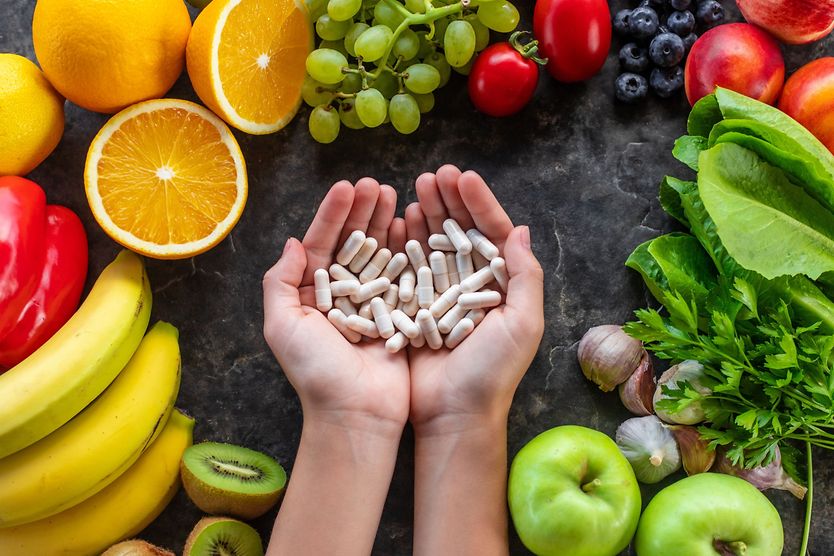
Eye supplements can help fill in nutritional gaps in a less-than-perfect diet.
AREDS2. AREDS2 was designed to investigate the effect of modifications of the original AREDS supplement formula on the development and progression of AMD and cataracts.
In particular, lutein and zeaxanthin — plant pigments (carotenoids) that other research suggests may have eye benefits — and omega-3 fatty acids were evaluated.
Also, AREDS2 researchers wanted to evaluate a modification of the original AREDS multivitamin formulation because some research has linked beta-carotene supplementation to increased risk of lung cancer in smokers and previous smokers, and because of concerns about minor side effects such as stomach upset caused by the high amount of zinc in the original AREDS formula among some people.
Participants in the study who took an AREDS formulation that included lutein and zeaxanthin, but no beta-carotene, had an 18% lower risk of developing advanced AMD over the five years of the study, compared with participants who took the original AREDS formulation with beta-carotene.
Also, AREDS2 participants with low dietary intake of lutein and zeaxanthin at the start of the study were up to 25% less likely to develop advanced AMD when taking a daily multivitamin that included 10 mg lutein and 2 mg zeaxanthin, compared with participants with similar dietary intake who did not take a supplement containing lutein and zeaxanthin during the study.
None of the modified AREDS supplement formulations used in AREDS2 — including those containing 1,000 mg omega-3 fatty acids (350 mg DHA and 650 mg EPA) — prevented or reduced the risk of cataracts.
Recommended ingredients in vision supplements
As research continues on the benefits of vision supplements in reducing the risk of eye problems (and perhaps in improving visual acuity in healthy eyes), it seems wise to supplement your diet with a daily eye supplement that contains many, if not all, of the following ingredients.
Most of these vitamins and nutrients may play a key role in reducing inflammation and oxidative changes associated with the development of degenerative diseases, including chronic and age-related eye problems:
- Vitamin A and beta-carotene. Vitamin A (and its precursor, beta-carotene) is necessary for night vision, wound healing and proper functioning of the immune system. Though supplemental beta-carotene has been associated with greater risk of certain cancers among smokers and previous smokers, obtaining a healthy amount of beta-carotene from natural food sources does not appear to elevate this risk.
- Vitamin B complex (including vitamins B1, B2, B3, B5, B6, B12 folic acid, biotin and choline). B complex vitamins may help reduce chronic inflammation and prevent elevated homocysteine levels in the blood, which have been associated with vascular problems affecting the retina. B vitamins may play a role in reducing the risk of macular degeneration and in the treatment of uveitis, a common cause of blindness.
- Vitamin C. Some studies have found vitamin C, a powerful antioxidant, is associated with reduced risk of cataracts.
- Vitamin D. Recent literature suggests vitamin D deficiency is widespread, especially during winter months in cold climates. Research suggests vitamin D is associated with a lower risk of macular degeneration.
- Vitamin E. Another component of AREDS and AREDS2 supplements, vitamin E has been associated with reduced risk of cataracts in other studies.
- Lutein and zeaxanthin. These carotenoids and macular pigments may reduce the risk of macular degeneration and cataracts.
- Phytochemical antioxidants. Plant extracts, such as those from ginkgo biloba and bilberry, contain phytochemicals, which appear to provide protection from oxidative stress in the entire body, including the eyes.
- Omega-3 essential fatty acids. These essential nutrients may reduce the risk of dry eyes and may have other eye health benefits as well.
- Bioflavonoids. Found in many fruits and vegetables, bioflavonoids appear to help the body absorb vitamin C for higher antioxidant efficiency.
SEE RELATED: Anemia and Eyes
Tips for buying vision supplements
Generally, you will save money when choosing vision supplements if you purchase a multivitamin, rather than buying each vitamin and nutrient separately.
When choosing eye supplements, make sure you read labels carefully and follow these guidelines:
- Check for an expiration date to make sure the supplement you are purchasing is fresh. Make sure the seal on the bottle has not been broken.
Check the serving size. Do you need to take only one tablet, or do you need to take two or more each day to get the percentages of the Daily Value of each ingredient listed?
"Daily Value" or "DV" is a basis for labeling nutrient content. It is not necessarily a recommended intake, since it is based on general measurements of the population at large, and different people require different amounts of nutrients.
- Capsules often are absorbed better than hard tablets and may cause less stomach upset.
- Eye supplements contain quality ingredients that have high bioavailability, meaning your body can absorb them easily. For example, the natural form of vitamin E (D-alpha-tocopherol) is roughly twice as active in the human body as the artificial form (DL-alpha-tocopherol).
- Avoid eye supplements that contain dairy products, corn or wheat as fillers, especially if you have allergies or other intolerance problems. Reputable companies typically will formulate their supplements without unnecessary fillers.
To make sure you are getting a reputable supplement consult your eye doctor. Nutritionists and knowledgeable nutrition store clerks are also good sources of information.
Precautions when taking eye supplements
While dietary supplements, including eye supplements, are generally safe and beneficial, you should follow a few precautions. If you are pregnant or nursing or are taking blood thinners (anti-coagulants), speak to your eye doctor before using any type of nutritional supplements.
Even though vision supplements are a non-prescription item, do not exceed the dosage instructions on the bottle to help reduce the risk of toxicity or drug reactions.